photo 3am_dj_home_zps919fb85e.png photo 3am_dj_about_zps7cce4c75.png photo 3am_dj_website_zps73051235.png photo 3am_dj_ss_zps6759ec2a.png photo 3am_dj_bs_zps43e27832.png
Showing posts with label Reading Skills. Show all posts

Thursday, April 9, 2026

POETRY = READING SKILLS

Since April is National Poetry Month, here are some ways to tie in poetry with standards. Poems really can be like a "breath of fresh air" to blow in JOY and FUN to language arts.

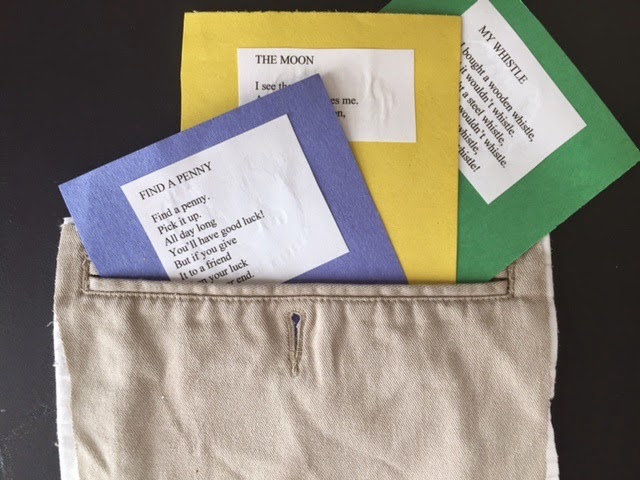
Hint! Cut a pocket off an old pair of pants and staple it to a bulletin board. Store favorite poems in the pocket so the children can read them over and over.


Syllables
After reading a poem with your students, read it again clapping the number of syllables in each word. You could also snap, stomp, hop or make other movements for the syllables.


Rhyming Words
Following a reading, mention that you heard words that sounded alike at the end. Repeat two of the words that rhyme. Let’s read the poem again and see if you can listen for other words that rhyme. As children find words that rhyme, highlight them on the poem with highlighting markers or tape. Write sets of words that rhyme on the board. Underline the letters that are the same. Have children think of other words that have the same sound at the end. Write the rhyming words on the board as the children call them out.

Alliteration
Read poems that have strong alliteration. Ask children to identify words with the same beginning sound. Highlight the words in the poem or list them on the board. Can children add other words to the list that begin with the same sound?
*Just for fun, choose an initial consonant sound and alliterate each word in a rhyme. For example: Bumpty Bumpty Bat Bon Ba Ball. Bumpty Bumpty bad ba breat ball…

Predicting
Before reading a poem, encourage the children to look at the title or illustrations and predict what the poem might be about.

High Frequency Words

Highlight word wall words that are in poems. Pass out flash cards with words and challenge children to match them with words in the poem.

Parts of Speech
Ask children to identify verbs, nouns, and other parts of speech in poetry.


Comprehension
After reading a poem, ask appropriate questions that will develop comprehension skills. Is there a main character? What was the setting? When did the poem take place? What happened at the beginning? Middle? End? Was there a problem or resolution? What will happen next? What was the main idea?

Genres of Literature
Help children recognize different types of literature through poetry. Could the poem really happen or is it pretend? Poems and books that are pretend are called “fiction” and those that are real are called “non-fiction.” Is the poem humorous or serious? Does it tell a story (epic) or is it just a rhyme?

Mental Imagery
Being able to visualize what is happening in a story, poem, or text is a strategy for improving comprehension. Have children close their eyes as you read different poems to them. Encourage the children to make a picture in their brains to go along with what they hear. After listening to the poem, encourage the children to discuss the pictures that they made in their heads.

Tuesday, April 8, 2025

POETRY = READING SKILLS


Are you (and your students) tired of skills, skills, skills? Well, take a look how poetry can "camouflage" those skills in a meaningful and engaging way.


Syllables
After reading a poem with your students, read it again clapping the number of syllables in each word. You could also snap, stomp, hop or make other movements for the syllables.


Rhyming Words
Following a reading, mention that you heard words that sounded alike at the end. Repeat two of the words that rhyme. Let’s read the poem again and see if you can listen for other words that rhyme. As children find words that rhyme, highlight them on the poem with highlighting markers or tape. Write sets of words that rhyme on the board. Underline the letters that are the same. Have children think of other words that have the same sound at the end. Write the rhyming words on the board as the children call them out.

Alliteration
Read poems that have strong alliteration. Ask children to identify words with the same beginning sound. Highlight the words in the poem or list them on the board. Can children add other words to the list that begin with the same sound?

Sound Scramble


Just for fun, choose an initial consonant sound and alliterate each word in a rhyme. For example: Bumpty Bumpty Bat Bon Ba Ball. Bumpty Bumpty bad ba breat ball…

Decoding Skills
As you come to unknown words in poems, stop and model how to sound them out by blending the sounds.

Predicting
Before reading a poem, encourage the children to look at the title or illustrations and predict what the poem might be about.

High Frequency Words
Highlight word wall words that are in poems. Pass out flash cards with words and challenge children to match them with words in the poem.


Parts of Speech
Ask children to identify verbs, nouns, and other parts of speech in poetry.

Comprehension
After reading a poem, ask appropriate questions that will develop comprehension skills. Is there a main character? What was the setting? When did the poem take place? What happened at the beginning? Middle? End? Was there a problem or resolution? What will happen next? What was the main idea?

Genres of Literature
Help children recognize different types of literature through poetry. Could the poem really happen or is it pretend? Poems and books that are pretend are called “fiction” and those that are real are called “non-fiction.” Is the poem humorous or serious? Does it tell a story (epic) or is it just a rhyme?

Mental Imagery
Being able to visualize what is happening in a story, poem, or text is a strategy for improving comprehension. Have children close their eyes as you read different poems to them. Encourage the children to make a picture in their brains to go along with what they hear. After listening to the poem, encourage the children to discuss the pictures that they made in their heads.

Hint! Cut a pocket off an old pair of pants and staple it to a bulletin board. Store favorite poems in the pocket and use them to reinforce your reading skills.

Wednesday, April 3, 2024

POETRY = READING SKILLS


Are you (and your students) tired of skills, skills, skills? Well, take a look how poetry can "camouflage" those skills in a meaningful and engaging way.


Syllables
After reading a poem with your students, read it again clapping the number of syllables in each word. You could also snap, stomp, hop or make other movements for the syllables.


Rhyming Words
Following a reading, mention that you heard words that sounded alike at the end. Repeat two of the words that rhyme. Let’s read the poem again and see if you can listen for other words that rhyme. As children find words that rhyme, highlight them on the poem with highlighting markers or tape. Write sets of words that rhyme on the board. Underline the letters that are the same. Have children think of other words that have the same sound at the end. Write the rhyming words on the board as the children call them out.


Alliteration
Read poems that have strong alliteration. Ask children to identify words with the same beginning sound. Highlight the words in the poem or list them on the board. Can children add other words to the list that begin with the same sound?


Sound Scramble


Just for fun, c

Decoding Skills
As you come to unknown words in poems, stop and model how to sound them out by blending the sounds.


Predicting
Before reading a poem, encourage the children to look at the title or illustrations and predict what the poem might be about.


High Frequency Words
Highlight word wall words that are in poems. Pass out flash cards with words and challenge children to match them with words in the poem.


Parts of Speech
Ask children to identify verbs, nouns, and other parts of speech in poetry.


Comprehension
After reading a poem, ask appropriate questions that will develop comprehension skills. Is there a main character? What was the setting? When did the poem take place? What happened at the beginning? Middle? End? Was there a problem or resolution? What will happen next? What was the main idea?


Genres of Literature
Help children recognize different types of literature through poetry. Could the poem really happen or is it pretend? Poems and books that are pretend are called “fiction” and those that are real are called “non-fiction.” Is the poem humorous or serious? Does it tell a story (epic) or is it just a rhyme?


Mental Imagery
Being able to visualize what is happening in a story, poem, or text is a strategy for improving comprehension. Have children close their eyes as you read different poems to them. Encourage the children to make a picture in their brains to go along with what they hear. After listening to the poem, encourage the children to discuss the pictures that they made in their heads.


A Real Poem for your Pocket
Cut a pocket off an old pair of pants and staple it to a bulletin board. Store favorite poems in the pocket and use them to reinforce your reading skills.

Tuesday, April 2, 2024

POETRY MONTH

When your give children a song and rhyme,
You give them a gift that will last for all time!

It’s true! We keep songs and poems that we learn when we are young in our hearts and minds all of our lives. Since April is National Poetry Month, I’m going to focus my blogs the next few days on poetry.


Here are eight great reasons for integrating poetry in your classroom:

Poetry develops oral language.
Poetry develops auditory memory.
Poetry helps children make print connections.
Poetry develops phonological awareness (rhyme, rhythm, alliteration).
Poetry enhances fluency.
Poetry develops vocabulary.
Poetry sparks children’s interest in reading.
Poetry helps children fall in love with language.

With all the emphasis on standards and assessment, poems can be like a breath of fresh air. They can add joy, imagination, creativity, and FUN to your classrooms!

Here are some ways to celebrate poetry month in your classroom or in your school.

Poetry Club
Write “Poetry Club” on a poster and decorate with glitter. Explain that anyone who stands up in front of the class and recites a nursery rhyme or poem can be a member of the poetry club. (You might want to model reciting a poem for them.) After they’ve recited their poem, let them sign their name on the poster.


*Design a membership card for the poetry club and run off on card stock. Present one to the children after they’ve recited a poem for their classmates.


Laurel Wreath
Just for fun, let children make laurel wreaths out of paper plates and leaves. The Greeks awarded these in Olympic events for sports as well as poetic meets.


Parents and Poems
Ask children to interview their parents about poetry using some of the prompts below:

Do you like poems? Why? Why not?
What’s your favorite poem?
Do you have a favorite poet?
Did you learn any poems when you were a child?
Do you have a poetry book?


Poet “Tree”
Use an old Christmas tree or stick several large, dry branches in a pot of dirt. Invite children to write or illustrate a poems on index cards and then attach to the tree with clothespins. Encourage children to “pick a poem” and read!

Thursday, April 7, 2022

POETRY = READING SKILLS


Are you (and your students) tired of skills, skills, skills?  Well, take a look how poetry can "camouflage" those skills in a meaningful and engaging way.

Syllables 
After reading a poem with your students, read it again clapping the number of syllables in each word. You could also snap, stomp, hop or make other movements for the syllables.


Rhyming Words
Following a reading, mention that you heard words that sounded alike at the end. Repeat two of the words that rhyme. Let’s read the poem again and see if you can listen for other words that rhyme. As children find words that rhyme, highlight them on the poem with highlighting markers or tape. Write sets of words that rhyme on the board. Underline the letters that are the same. Have children think of other words that have the same sound at the end. Write the rhyming words on the board as the children call them out.

Alliteration 
Read poems that have strong alliteration. Ask children to identify words with the same beginning sound. Highlight the words in the poem or list them on the board. Can children add other words to the list that begin with the same sound?


Sound Scramble 

Just for fun, choose an initial consonant sound and alliterate each word in a rhyme. For example: Bumpty Bumpty Bat Bon Ba Ball. Bumpty Bumpty bad ba breat ball…

Decoding Skills 
As you come to unknown words in poems, stop and model how to sound them out by blending the sounds. 

Predicting 
Before reading a poem, encourage the children to look at the title or illustrations and predict what the poem might be about.

High Frequency Words 
Highlight word wall words that are in poems. Pass out flash cards with words and challenge children to match them with words in the poem.


Parts of Speech
Ask children to identify verbs, nouns, and other parts of speech in poetry. 

Comprehension 
After reading a poem, ask appropriate questions that will develop comprehension skills. Is there a main character? What was the setting? When did the poem take place? What happened at the beginning? Middle? End? Was there a problem or resolution? What will happen next? What was the main idea?

Genres of Literature
Help children recognize different types of literature through poetry. Could the poem really happen or is it pretend? Poems and books that are pretend are called “fiction” and those that are real are called “non-fiction.” Is the poem humorous or serious? Does it tell a story (epic) or is it just a rhyme?

Mental Imagery
Being able to visualize what is happening in a story, poem, or text is a strategy for improving comprehension. Have children close their eyes as you read different poems to them. Encourage the children to make a picture in their brains to go along with what they hear. After listening to the poem, encourage the children to discuss the pictures that they made in their heads.

Hint!  Cut a pocket off an old pair of pants and staple it to a bulletin board. Store favorite poems in the pocket and use them to reinforce your reading skills.