WHY?
In the science center children are able to explore, observe, solve problems, make decisions, develop concepts about science and nature, improve language, interact socially, and develop sensory skills. Children’s curiosity about the world and their interest in nature will also be extended.
Materials:
Shelves, tables
Lab coats, safety goggles
Magnifying glass
Magnets
Plants
Prism
Aquarium
Balance scale
Science books, magazines
Pictures and posters
Thermometer
Flashlight
Feely box
Terrarium
Sensory materials
Models (dinosaurs, insects)
Mirror
Seeds, leaves, flowers, feathers
Exhibits (nature collections of rocks, shells, bones, insects, etc.)
Field guide books
Clipboard, paper, pencils
Planting area to grow sprouts, flowers, herbs, etc.
Nature Center
Take a plastic tub and fill it with objects from a natural area in your community. It's as simple as that! Invite the children to bring in other interesting items that they find in nature to add to your center.

magnifying glass
clipboard, pencils, paper
ruler
field guide book (leaves, rocks, shells, etc.)
WHY?
When you set up an open art center in your classroom children will have the opportunity to plan and create their own unique ways. They’ll also be using engineering skills as they design what they want to create and technology skills as they use the tools (scissors, brushes, glue, etc.) They’ll be able to make choices, experiment, solve problems and be truly creative. It’s important to provide a wide variety of materials that they can get out and clean up independently
Materials:
Shelves
Easel
Tables and chair
Drying rack
Smocks
Brushes
Paints, water colors, finger paint
Hole punch
Paper (scrap, construction, cardboard, newspaper, tissue paper)
Scissors
Crayons, colored pencils, markers
Lunch sacks, paper plates
Paper cups
Glue, glue sticks
Material scraps, buttons, yarn
Stapler
Tape
Junk scraps (paper towel rolls, egg cartons)
Magazines, catalogs
Chalk
Paper clips, brads
Clay, play dough
Craft sticks
Pipe cleaners
Natural objects (flowers, leaves, rocks, shells)
Hint! Store materials in clear containers and label with words and pictures of the objects.
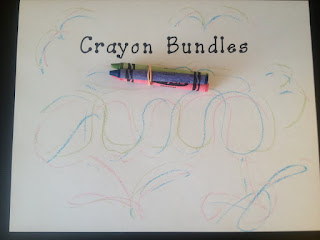
Bundles
Materials: crayons, rubber bands, paper
Directions: Wrap a rubber band around 3 or 4 crayons. Children can hold the “bundle” and draw a design or picture on their paper.
WHY?
The library should be inviting and interesting because you want the children to fall in LOVE with books. In the library area children can also develop oral language listening skills and reading readiness skills as they explore new concepts.
Materials:
Books (all sizes shapes, subjects)
Comfortable seating (pillows, beanbag chairs, small rocking chair)
Book rack and shelves
Magazines
Travel brochures
Flannel board and stories
Puppets
Sensory books
Maps
Picture books
Menus
Dictionary
Pictures and posters
Class made books
Listening center
Rainy Day Reads – On rainy days open a large golf umbrella and put books under it.

LISTENING CENTER
The listening center will enable children to reread books and make connections between illustrations, print, and words.
Materials
Listening station
Headsets
Recordings of songs
Books
Pointers
Paper, pencils, crayons
WHY?
Sand, water, and other “messy” materials give children sensory pleasure while developing small motor skills, math concepts, social skills, and language.
Hint! Some of these activities are perfect for the playground on a warm day.
Materials
Sand or water table (You can also use your classroom sink, plastic tubs or a wading pool.)
Smocks
Towel
Spoons, shovels
Pails
Watering can
Pots, pans, toy dishes
Plastic containers
Bottles
Measuring cups
Funnels
Sponges
Washable baby dolls, clothes
Sifter, strainer
Plastic boats
Ping-pong balls
Water wheel
Plastic cars and trucks,
Plastic animals and toys
Egg beaters
Eye droppers
*Note! Children should wash their hands before and after using sensory materials.
WHY?
Emergent literacy will flourish in a writing center. Children will develop a positive attitude about writing with a variety of blank books and tools. Remember, scribbles are how the writing process begins, so whatever the children do should be celebrated.
Materials
Table and chairs
Pens, pencils, crayons, markers
Variety of paper (colored, notepads, different shapes and sizes)
Envelopes
Blank books
Sticky notes
Junk mail
Book order forms, magazine inserts, tax forms (available at library)
Chalkboard and chalk
Dry erase board and markers
Magic slate
Stamps and ink pad
Scissors, tape, stapler
Picture file
Picture dictionary
Class list
Magnetic letters
Clipboard
Used greeting cards
Clipboard
Children will definitely enjoy writing and collecting data with a clip board.

Directions: Each child will need a 9” x 12” piece of corrugated cardboard. Attach a butterfly clip, insert paper, and let the writing begin!
TECHNOLOGY CENTER
Computers are a common part of our everyday lives. Children can use computers to read, write, illustrate, take tests, practice math facts, watch science videos, etc. The opportunities for learning are endless!
Materials
Computers
Paper, pencils
WHY?
As children play with table toys and manipulatives they develop small muscles, eye-hand coordination, attention span, social skills, language, and they learn how to begin and complete a task. They also build concepts about size, shape, color and patterns.
Materials
Table and chairs
Puzzles
Beads
Sewing cards
Pegboard
Dressing toys
Nuts and bolts
Scissors
Pattern cards
Playing cards
Puzzle rack
Lacing activities
Nesting toys
Locks and keys
Take-apart toys
Hole punch
Play dough and props
Parquetry blocks
Paper and pencils
Clay
Board games
Snap toys
Hint! Encourage children to wash their hands before and after using small motor materials.
WHY?
In the reading center children can develop reading readiness skills through hands-on activities and games. Oral language, phonological awareness, alphabet knowledge, and print knowledge will be nurtured in fun and meaningful ways to help children fall in love with letters, sounds, and learning to read.
The reading center (or l center) should be in a quiet area of the classroom and should have a table, chairs, and shelves for storing materials.
Storytelling/Oral language
Puppets
Flannel board
Photo puppets of children
Stuffed animals
Masks
Story books

Alphabet Knowledge
magnetic letters and cookie sheet
Alphabet blocks
Letter stamps, stickers, stamp pad
letter tiles
letter beads
sponge letters
phonics games
Print Knowledge
fly swatters, flashlights, pointers
Silly glasses
Pocket Chart
Children’s name cards with photos
Chalkboard, wipe off board, magic slate
Paper, pencils
Word/picture cards
Picture dictionary
Word puzzles

Phonological Awareness
rhyming games
Nursery rhyme books