photo 3am_dj_home_zps919fb85e.png photo 3am_dj_about_zps7cce4c75.png photo 3am_dj_website_zps73051235.png photo 3am_dj_ss_zps6759ec2a.png photo 3am_dj_bs_zps43e27832.png

Tuesday, April 21, 2026

KINDERGARTEN DAY

Today is "Kindergarten Day" in honor of Friedrich Froebel who started the first kindergarten in Germany in 1837. Kindergarten originated to help children adapt to learning and social interactions in a fun way. Froebel believed in self-directed play, singing, dancing, blocks…a “garden” where children could grow! He’d probably roll over in his grave now if he saw what was going on!! 

As I write this I am remembering my kindergarten teacher Mrs. Myers. I LOVED her! I mean, I worshipped her! She was a fairy godmother and the center of my world. She seemed ancient to me at the time, but I’m probably way older now than she was when she taught me. Thank goodness for hair dye and make up!!!


Do you see me? I'm in the center front with the dress my 
mother made me for my first day of kindergarten.
I remember playing “The Farmer in the Dell” and other circle games. I also remember the finger play “Here are grandma’s glasses…” We had sugar cookies with a hole in the middle that we would put on our finger as we ate and we also had orange kool-aid. (Oh, my goodness! The sugar police would get Mrs. Myers for sure!!!) My favorite activity was painting. I especially liked to paint princesses. Back in those days the only princess I knew about was Cinderella, but I longed to be like her. One day as I was at the easel I painted a stripe down my leg. It looked so good I painted another…and another…and another…until my legs had beautiful stripes all over them. Mrs. Myers could have squelched my creativity right then and there, but she just laughed and said, “Don’t do it again.”

Another memory I have is learning to tie my shoes. I wore corrective saddle oxfords I feared would come untied at school and then what would I do? Everyone would know that I couldn’t tie shoes!!! Well, one day they came untied and Mrs. Myers said, “You’re a smart girl. Now, you just sit down and figure it out.” And you know what? I did!!!! She knew when to coddle and when to push.

And incredible as it may seem, although all I did was PLAY in kindergarten, I can actually read and write now!! I imagine most of the adults running our country, writing curriculum, and running schools actually PLAYED when they were in kindergarten and look at them now. It would be interesting to ask those who preach "rigor" and "instructional time" and "high test scores" what they remember about being in kindergarten.

We have to remember that we will all grow up one day and sit in front of a computer, but we have one chance in a lifetime to be in kindergarten and hold hands, sing, dance, and PLAY! So shut your door today and "play kindergarten"!


My "kinderoos" in the 1980's.  
I'd love to know where they are now.


Kindergarten Bill of Rights
Dr. Jean

Kindergarten children have the right to the pursuit of happiness.

Kindergarten children have the right to wooden blocks and a housekeeping center.

Kindergarten children have the right to play dough and puzzles.

Kindergarten children have the right to hold hands with their friends and play games.

Kindergarten children have the right to free play outside.

Kindergarten children have the right to sing and dance and be silly.

Kindergarten children have the right to explore with paint, crayons, markers, glue, scissors, and to make a mess!!!

Kindergarten children have the right to have books read to them…many, many books.

Kindergarten children have the right to go on field trips.

Kindergarten children have a right to a quiet time every day so their brains can process information.

Kindergarten children have the right to think school is the most wonderful place in their world.

Kindergarten children have the right to think that they are capable and worthy.

Kindergarten children have the right to hopes and dreams.

Kindergarten children have the right to smiles and hugs.


Monday, April 20, 2026

DO YOU RECALL?

Asking children to recall and retell information throughout the day is a simple, yet powerful way to boost brain power.

Right Now! Right Now!
Several times a day call out in an enthusiastic voice:
Right now, right now, right now, right now! (Children freeze.)
Who can tell me something they’ve learned that they didn’t know when they came in the classroom this morning. (Point to random children to tell you something they’ve learned. This will be difficult at first, but keep doing it and they will improve.)

Partner Share – Children turn to a friend or study buddy and retell a story, reteach a lesson, etc.

Catch and Tell – Toss a ball, beanbag, or wadded up sheet of paper to a student. That student tells something she learned and then tosses it back to you. Continue tossing the ball to other students.


Recall Chant – End the day by going around the room as you say this chant to each child:
Hey, Hey, what do you say?
What did you learn in school today?
(Children say what they learned.)

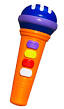
Microphone - Pass a play microphone around the room as each students says something they learned.
*Let them pretend to be news reporters as they state the "facts" of what they did at school.

Good for You – Children pat themselves on the back as they tell what they learned or what they did that made them feel proud.

Kiss Your Brain
– Write “Kiss Your Brain!” on a poster and tape it to your door. Before children leave for the day they must say something they learned and then kiss their brains.

Catch a Star
Ask children to think of something new they learned or something they did that made them feel proud. Tell them to reach up and grab a star and then put it in their hearts.

Close Your Eyes and Smile

Have children close their eyes. If they can see something new they learned they can open their eyes and smile at you.

Fist List
Children make a fist and then hold up a finger for each new thing they learned that day.

Sunday, April 19, 2026

GOT A MINUTE?

If you've got 2 or 3 minutes after you've read a story or taught a lesson, these are some quick ways to assess learning and recall information. These ideas can be adapted for fiction or non-fiction literature, math, science, or social studies. All your students will be engaged and can reflect on what they've learned. That's a win/win!!

Sign Language
Teach children sign language for “yes” (make a fist and nod it up and down) and “no” (extend middle and index finger from thumb and open and close. As you ask questions, children respond with the appropriate sign.


Schema
Teach sign language for "connection" (thumbs make circles with index fingers and join like a chain). Discuss that when they connect what is in the book with what is in their brain they make a "schema." If they've made a "schema" they can show you with their hands. Call on random students to explain how they connected personally with the book.


Show Me
You will need two index cards. Write “yes” on one and “no” on the other. Children place these on the surface in front of them. As the teacher asks questions, the children hold up the appropriate word.

Envelope

Seal an envelope and cut it in half. Write “yes” on one side and “no” on the other side.

Stump the Teacher
Explain to the children that they get to be the teacher and ask you questions. Remind them to think about what they want to ask you before raising their hand. They must also know the answer to the question they are going to ask.

Saturday, April 18, 2026

TESTING! TESTING!

If I were in charge of the world you wouldn't be allowed to test little children! Unfortunately, I'm not in charge of the world, and even young children are experiencing "test anxiety" this time of year. How ridiculous for a four or five year old to be worried about a test! Bless their hearts...and bless your hearts.

Nevertheless, here are some activities that might help children relax and focus before a test. They might also be a good break between tests.

Deep Breathing – Inhale slowly as you count to 8. Exhale slowly as you count backwards from 8 to 1. Breath in hot chocolate. Breathe out and blow the candles out on a birthday cake. 


Tighten~Relax – Tighten up your body as tight as you can and squeeze, squeeze, squeeze. Then relax and let it all go. Repeat several times.
*Starting with the toes, call out one body part at a time for children to squeeze and then relax. For example, toes, feet, knees, legs, hips, back, fingers, arms, shoulders, necks, faces, and then a whole body SQUEEZE!


Rag Dolls and Soldiers – When the teacher calls out “rag dolls” everyone flops over like a rag doll. When the teacher says, “soldiers,” everyone stands up tall and stiff. Continue calling out “rag dolls” and “soldiers” faster and faster.


“Eye” Exercise - Demonstrate how to hold your two index fingers a few inches from your eyes on either side of your head. Look at the right index finger with both eyes and then look at the left index finger.


Balancing Act
– Ask children to stand. How long can they balance on their right foot? How long can they balance on their left foot? Can they balance on their right toes? Left toes? Can they balance on their right foot and extend their left leg in the air? Can they balance on one foot with their eyes closed?
Hint! Classical music is lovely for balancing activities.


Vacation – Tell your class to give their mouth and their eyes a “vacation” by closing their eyes and mouths. Next, ask them to practice breathing through their noses. You’ll be amazed at how this brings down their energy level and helps them focus.


Lip Sinc – Make motions as you mouth the words to finger plays and songs. Invite children to join you when they recognize what you are doing.


Silly Dance - Play some catch music for the children to do the silly dance. When you stop the music they have to "freeze." Continue playing and stopping the music as the children dance and freeze.

Hint! The "finger neurobics" that K.J. demonstrated several years ago would also be an excellent way to calm children.

https://www.youtube.com/watch?v=sB4lXUhRfMU

Friday, April 17, 2026

ARBOR DAY

April 24th is Arbor Day, but every day we should look outside and appreciate trees. These websites have some great information and activities for kids at school or at home.

https://www.arborday.org/kids/

https://www.arborday.org/celebrate/educational-resources.cfm

Brainstorm
Divide children into small groups and let them brainstorm all the products we get from trees.

*THE GIVING TREE by Shel Silverstein is a wonderful book to share, but my little kids always wanted to know, "Why did he have to get old?" (I wonder the same thing sometimes!!!)


TREEmendous Writing
Let children look out the window or sit under a tree and write descriptions. Think about the colors in the tree. Are there animals in the tree? What are the parts of a tree?
*For creative writing, ask children to complete this sentence: If I were a tree I would...


Tree Identification
Download information about leaves similar to the one below.

Take a nature walk and challenge the children to identify the trees on the school grounds.

How are leaves different?

How does the bark on trees vary?

*Hint! Give children a clipboard and let them draw their favorite tree.

*Let them do rubbings of leaves from different trees and compare.


Plant a Tree
Contact your local cooperative extension service, Forestry Services, or National Arbor Day Foundation for free seedlings. Discuss what your tree will need to thrive. Prepare the soil, water your tree, and record its growth.


Vocabulary
What's a deciduous tree? What's an evergreen tree?
Sing this song to the tune of "London Bridge" to help your students learn how about deciduous and evergreen trees.

If your leaves fall to the ground,
to the ground,
to the ground.
If your leaves fall to the ground
You're deciduous.
If your leaves stay green all year,
green all year,
green all year.
If your leaves stay green all year,
You're an evergreen.


ADOPT A TREE

A Louisiana teacher shared this sweet story about what happened when she let her class "adopt" a special tree on the playground. They named their tree Maggie and hugged her, drew pictures of her in different seasons, read stories and sang songs under her, wrote descriptions...you get the idea. One day as a group of children were playing, one child snapped a branch off another tree. A little boy started to cry because he said, "You're hurting Maggie's friend." I'm not sure "adopting a tree" was in their state standards, but it's a beautiful story about instilling a love of nature in children. And, it's so easy just to take a moment every now and then to focus on trees and all the living things this time of year.


A SPECIAL NEW VIDEO ABOUT FRUIT TREES FOR ARBOR DAY!


Thursday, April 16, 2026

RECYCLE ME - PLEASE!

You know all those cardboard food boxes you throw away? Well, here's a great opportunity to give them a second life, teach your children to recycle, and make some cool materials for your classroom. Send a note asking families to save their cardboard food boxes for a week and then let the fun begin!

Cardboard Castle – Let children use masking tape to create a castle or other play sculpture.

What's for Breakfast? Book - Each child chooses the front of their favorite cereal box. They can write original sentences or fill in the blank "(Child's name) likes (cereal)."


Puzzles – Cut box fronts into puzzle shapes. Store in zip bags. For younger children use two like boxes. Cut one up and let them place the pieces on the second box.


Fronts and Backs
– Cut front and back panels off of boxes. Mix them up and then ask the children to match up the ones that go together.

*Play a memory game where you place the fronts and backs face down on the floor. Children try to match up pairs.

Stencils and Templates – Cut geometric shapes out of box fronts. Children can trace these with colored pencils, crayons, or markers.
*Cut seasonal shapes or objects that relate to a unit of study for the children to trace.


Sewing Cards – Punch holes around the sides of boxes. Children can sew these with yarn, string, or old shoelaces.


Weaving – Cut notches around the sides of boxes and let children weave through these with yarn.

Fractions – Give each child the front panel off a box. Can you cut it in half? Fourths? Eights?

Math – Have children sort the boxes by product, size, etc. Graph favorite cereals, cookies, crackers, etc.

How about a free song download and flip book about recycling?

http://www.drjean.org/html/monthly_act/act_2015/04_Apr_css/index.html


What Will I Be When They Recycle Me?
(Tune: “Oh, Dear, What Can the Matter Be?”)
What will I be when they recycle me? (Roll hands in a circle.)
What will I be when they recycle me?
I’ll come back to life—you will see! (Clap your hands and then point your finger.)

I am an empty soda can (Pretend to hold a soda can in front of you.)
Made of precious aluminum.
I can save lots of energy
If you will recycle me. (Roll hands in a circle.)

I’m an old bottle of plastic (Pretend to hold a plastic bottle.)
But I could be fantastic!
Toys, pipes, car bumpers, and much more—
That’s what my plastic is for. (Roll hands in a circle.)

A pile of used boxes and papers we (Make an invisible square in the air.)
Come from the precious wood of trees.
Recycled we’ll be as good as new (Roll hands in a circle.)
And save some other trees, too.

I am a fine jar made of glass— (Cup hands to make a bowl.)
Please don’t treat me like plain old trash! (Shake head “no.”)
I’ll make new jars again and again
Recycle me—yes you can! (Roll hands in a circle.)

Though we may look like old used stuff, (Open palms.)
Stop, wait! Please don’t give up on us! (Make sign language for “stop.”)
Think of the great possibilities— (Put index finger on your head and tap.)
Recycle us, set us free! (Roll hands in a circle and then throw up hands in the air.)

Wednesday, April 15, 2026

LITTER PATROL

One of the best ways to be on the "green team" is to keep the earth beautiful by picking up trash. There's nothing more frustrating to me than to see trash along the road, but maybe we can improve things in the future by getting our students to join the LITTER PATROL!

Litter Patrol
Well, here we go, (Clap and snap fingers to the beat.)
We’re on the litter patrol.
We’re going to work all day
To put the trash away.
The planet earth, you see
Is our habitat.
We’re going to clean it up,
Well, how about that!


Litter Bags
Ask your students to bring in an empty cereal box or cardboard food box.
1. Cut the tops off the boxes.
2. Punch a hole in each short side.
3. Tie on a piece of string. Use these to collect trash or have the children place these in their cars.


Earth Day Project
Plan a community project where parents and children come together to clean up a park or natural area in your community. Make sure you have gloves and trash bags for the participants.


Trash Snack
How about a “trash snack”? You will need ice cream cones, Gold Fish crackers, Cheerios, pretzel sticks, and peanuts. Take 4 lunch sacks and put a different item in each sack. Write “old tires” on the sack with Cheerios, write "dead fish" on the sack with the crackers, “sticks” on the sack with pretzel sticks, and “stones” on the sack with peanuts. Take a large bowl and make up a story about collecting trash. As you name the different items, invite different children to dump the contents in the bowl. Stir with a large spoon and then serve the “trash” in trashcans (ice cream cones). The cool thing about this snack is that there is NO trash when the children have finished eating!

Hint! Substitute raisins for peanuts if you have students with food allergies. You can also use sunflower seeds or other snack foods.

Tuesday, April 14, 2026

EARTH DAY

Every day should be “Earth Day,” but is officially celebrated every April 22nd. It’s always important to think about our planet and get kids interested in protecting their environment. Your students are going to be so proud of this “Earth Book” when they take it home to share with their families. 


Materials: 8” squares of the following colors:
2 orange, 1 green, 1 blue, 1 yellow, 1 brown, 1 purple

Directions:

1. Use the link at the bottom to cut out the different pages for the book.
2. To assemble the book put down the solid orange, then the purple, brown, yellow, blue, green, and end with the orange with the circle cut out.
3. Staple on the left.
4. Younger children can “read” the book by describing the colors of the earth on each page. Older students can write simple descriptive sentences on each page.
5. On the last page invite children to write or draw how they can help protect the earth.

Hint! Your students will be overwhelmed to do this all in one day, so stretch this project out by asking them to just do 2 or 3 pages a day.

Here's a pdf with the patterns.
https://drive.google.com/file/d/0B1SnEagA4jljNnFFV0VhbU5YcEk/view?usp=sharing


Earth Day Necklace
1. Give children a small ball of blue polymer clay.
2. Give them a small piece of green clay and tell them to break it into 4 or 5 little pieces.
3. Attach the green pieces to the blue ball and roll in your hands.
4. Make a hole in the center with the nail.
5. Bake in a 275 oven for 12-15 minutes.
6. String the earth ball on yarn or string to make a necklace.


Nature’s Colors
1. Give children assorted pony beads and a piece of string or yarn 20-24” long.
2. Explain that they can select a bead to represent the different things in nature that they appreciate. For example, a blue bead might remind them of the ocean, or a red bead might remind them of a cardinal. (Hint! Limit one bead per color. To make it easier to string wrap a small piece of tape around the end of the yarn.)
3. Tie the ends of the string together to make a necklace.
*Older students could write sentences about each color.
4. Ask children to describe their necklaces and explain what each color represents.


Monday, April 13, 2026

GREEN TEAM

Who wouldn't want to be a super hero on the green team? How about some membership cards?

The Green Team (Tune: “When Johnny Comes Marching Home”)
We are on the Green Team. (March in place as you swing your arms.)
Hoorah! Hoorah! (Fist in air as if cheering.)
We can recycle every day. (March in place as you roll your arms around.)
Hoorah! Hoorah! (Fist in air as if cheering.)
Aluminum, glass, tin, (March in place.)
Put paper and cans in recycle bins. (March in place.)
Join the Green Team, (March in place.)
Defend the earth and keep it clean. (Put both fists in the air like a hero.)

We are on the Green Team. Hoorah! Hoorah!
We can reduce what we use. Hoorah! Hoorah!
Turn off water and the lights.
Walk, take a bus, or ride your bike.
Join the Green Team.
Defend the earth and keep it clean.

We are on the Green Team. Hoorah! Hoorah!
We can reuse many things. Hoorah! Hoorah!
Share old toys and old clothes, too.
Give away what you don't use.
Join the Green Team,
Defend the earth and keep it clean.

We are on the Green Team. Hoorah! Hoorah!
We can keep our planet clean. Hoorah! Hoorah!
Pick up all the trash you see.
Protect wildlife and plant new trees.
Join the Green Team.
Defend the earth and keep it clean.

*Put out scrap materials in the art center and encourage children to make “Green Team” badges. You can also let them decorate sheets of newspaper and staple them around their necks to make “Super Green Hero” capes. Let children dramatize what they would do if they were a “Super Green Hero.”

*Make a language experience chart of children’s suggestions for what it means to be on the “Green Team.” Have children dip their thumb in green paint and “sign” it on the list to signify that they are going to join the “Green Team.”


*Walk around the school and encourage the children to draw pictures or write suggestions for conserving energy and making the learning environment “green.” Compile results and ask the principal to visit your class and discuss improvements that can be made.

*Make a naturalist kit by recycling a detergent box or similar container with a handle. Make binoculars by cutting a cardboard paper towel roll in half. Tape the halves together and hole punch at the top. Tie on a piece of string so children can easily take the binoculars on and off their heads. Add a magnifying glass, field guide, tweezers, film canister (for collecting specimens), paper, pencil, etc. Talk about what naturalists do. Can you be a naturalist? Divide children up into groups of two and let them take turns playing “naturalist” on the playground.


Sunday, April 12, 2026

HIGH FIVE DAY IS COMING

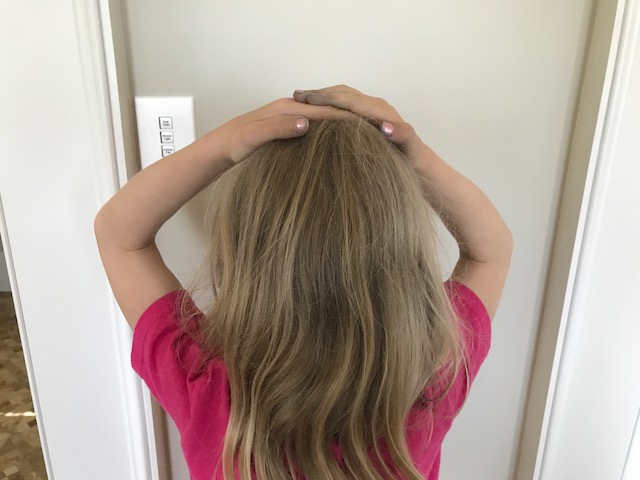
April 16th was National High Five Day, but you can start any day with a high five and a smile! Wouldn't your kids be surprised if you drew a smile on your hand like this one?


High Five Cheer
Teach children how to give themselves a “high five” for a job well done. Hold up both palms facing each other in front of your chest. Pretend to wave with one hand as you hold up five fingers on the other hand. “Hi 5!” Get it?


Pat on the Back
Trace around each child’s hand on construction paper and let them cut it out. Write a positive comment about each child on the hand and tape it to their back at the end of the day. Parents will be proud when they see their child’s “pat on the back.” 


Pickle Tickle Partner Game
Up high. (Give a high five up in the air.)
Down low. (High five down by knees.)
Cut the pickle. (One child touches fingertips horizontally as the other child pretends to slice in between.)
Give a tickle. (Gently tickle each other.)


HIGH FIVE FOR A NEW RHYMING VIDEO

Saturday, April 11, 2026

THE WRITING PROCESS

How about some tips for encouraging all those budding authors in your classroom?

Who Knows the Writing Process?
(Children repeat each line to this chant as you open your arms wide and clap as you step from side to side.)
Chorus:
Who knows the writing process?
I know the writing process.

First step. (Hold up one finger.)
Brainstorm. (Hands on the side of your head and shake down.)
Chorus

Second step…(Hold up 2 fingers.)
Write it down…(Pretend to write with index finger on palm.)
Chorus

Third step…(Hold up 3 fingers.)
Edit your work…(Shake finger.)
Chorus

Fourth step…(Hold up 4 fingers.)
Publish your work…(Brush hands together.)
Chorus
Oh, yeah! (Hands on hips with an attitude.)


Handy Edit
Teach children how to edit their work with this “handy” idea.
(Make a fist with your right hand to begin.)
1. If you started your sentence with a capital letter you can stick up your thumb.
2. If you read the sentence and it makes sense you can stick up your index finger.
3. If you remembered to put punctuation at the end you can stick up your pinky finger.
4. Then you can say, “I love my sentence.” (Turn your fist over and you will be making sign language for “love.”)


Chew and Write
Give children a piece of sugarless gum. Once they write their name they can open the gum and start chewing. They are allowed to chew the gum as long as they keep on writing!


Colorful Details
Encourage students to add color and detail to their illustrations by asking them to use as many colors in their books as they are in age.

Friday, April 10, 2026

POETRY SONGBOOK

If I were in charge of the world, this is something that I would put in each child's hands. It's so simple and inexpensive, but it could give a lasting memory to a child. This idea could be adapted for any age group or skill level.

On a personal note! I have a friend with Alzheimer's who has a difficult time carrying on a conversation. Another friend took her out to lunch, and I asked, "What did you talk about?" She replied, "Oh, we don't talk. I put on the 50's radio station and we sing!" And that's why we must sing with children and teach them poems. Those songs and rhymes will stay tucked in their brain, and they might give them a smile and a few minutes of happy memories one day!


What? pocket folders with 3 prongs, copies of poems and songs, markers, art media

Why? love of reading, oral language, phonological awareness, social skills, reading skills

When? large group, small group, independent, home/school

How? Purchase a pocket folder for each child. This will be a good project for them to decorate the first week of school. Think of 4 or 5 simple songs, nursery rhymes, or poems that you would like to introduce the first month of school. (I would not put illustrations on these because the children will be able to make a personal connection with their own drawings.) Run off copies of these and insert them in the pocket folder. Each week introduce one of the songs using the strategies below. As the year progresses add new songs or rhymes that would engage the children or relate to a theme or season.

Hint! Some good songs might include: “Twinkle Little Star,” “BINGO,” “Baa Baa Black Sheep,” “The Itsy Bitsy Spider,” “The Farmer in the Dell,” “London Bridge,” “Yankee Doodle,” “Jack and Jill,” “Mary Had a Little Lamb,” “Row, Row, Row Your Boat,” “The Alphabet Song,” or “Rain, Rain, Go Away.”


Monday - Introduce the poem as a shared reading experience. Reread the poem several times using one of these strategies:

Shadow Reading– Teacher reads a line and then students repeat.

Magic Word– Choose a “magic word” (high frequency word) in the text. Every time you come to that word, the children get to clap, jump, snap, etc.

Say What? Read the wrong way and have children correct you by shouting out, “Say what?”

Missing Word – Omit a word and have the children fill it in.

Read with me IF
you…like chocolate ice cream
like broccoli have a dog
can ride a bike are wearing red

Stand and Read – Children stand and take a small step to the right for each word. At end of the line jump “down” to the next line. Everyone moves back to the left and quickly moves to the right with every word until the end of the next line. Repeat until the end of the poem.

Take a Turn- Divide children into groups and each section reads a different line. For example: Let boys and girls alternate reading lines.

Tuesday - Let children use pointers to find letters or words they can recognize, point out words that rhyme, punctuation, etc. Have children illustrate the poem or song as an independent activity.

Wednesday - Use the poem for skill work during small group. Highlight parts of speech, sight words, etc.

Thursday - Children bring notebooks to large group and reread this week’s rhyme and review previous poems.

Friday - Children read poems independently or with a buddy.

Weekend Homework - On Friday, let children take home their poetry notebooks. Ask children to read the poem to someone in their family over the weekend. Encourage parents to sign their name and write their comments and compliments on each poem.

Thursday, April 9, 2026

POETRY = READING SKILLS

Since April is National Poetry Month, here are some ways to tie in poetry with standards. Poems really can be like a "breath of fresh air" to blow in JOY and FUN to language arts.

Hint! Cut a pocket off an old pair of pants and staple it to a bulletin board. Store favorite poems in the pocket so the children can read them over and over.


Syllables
After reading a poem with your students, read it again clapping the number of syllables in each word. You could also snap, stomp, hop or make other movements for the syllables.


Rhyming Words
Following a reading, mention that you heard words that sounded alike at the end. Repeat two of the words that rhyme. Let’s read the poem again and see if you can listen for other words that rhyme. As children find words that rhyme, highlight them on the poem with highlighting markers or tape. Write sets of words that rhyme on the board. Underline the letters that are the same. Have children think of other words that have the same sound at the end. Write the rhyming words on the board as the children call them out.

Alliteration
Read poems that have strong alliteration. Ask children to identify words with the same beginning sound. Highlight the words in the poem or list them on the board. Can children add other words to the list that begin with the same sound?
*Just for fun, choose an initial consonant sound and alliterate each word in a rhyme. For example: Bumpty Bumpty Bat Bon Ba Ball. Bumpty Bumpty bad ba breat ball…

Predicting
Before reading a poem, encourage the children to look at the title or illustrations and predict what the poem might be about.

High Frequency Words

Highlight word wall words that are in poems. Pass out flash cards with words and challenge children to match them with words in the poem.

Parts of Speech
Ask children to identify verbs, nouns, and other parts of speech in poetry.


Comprehension
After reading a poem, ask appropriate questions that will develop comprehension skills. Is there a main character? What was the setting? When did the poem take place? What happened at the beginning? Middle? End? Was there a problem or resolution? What will happen next? What was the main idea?

Genres of Literature
Help children recognize different types of literature through poetry. Could the poem really happen or is it pretend? Poems and books that are pretend are called “fiction” and those that are real are called “non-fiction.” Is the poem humorous or serious? Does it tell a story (epic) or is it just a rhyme?

Mental Imagery
Being able to visualize what is happening in a story, poem, or text is a strategy for improving comprehension. Have children close their eyes as you read different poems to them. Encourage the children to make a picture in their brains to go along with what they hear. After listening to the poem, encourage the children to discuss the pictures that they made in their heads.