photo 3am_dj_home_zps919fb85e.png photo 3am_dj_about_zps7cce4c75.png photo 3am_dj_website_zps73051235.png photo 3am_dj_ss_zps6759ec2a.png photo 3am_dj_bs_zps43e27832.png
Showing posts with label Fun. Show all posts

Friday, October 2, 2026

PUMPKIN TALES

I must have told this story thousands of times over the past 40 years. The wonderful thing is that it's "old" to me, but most of the teachers and children have never heard it before. You'll need to practice a few times before doing it for your class, but I guarantee you'll hear, "Do it again! Do it again!"

And here's the video where you can watch me tell these stories:

https://www.youtube.com/watch?v=JetOeIrEnAU&t=52s

Pumpkin House Cut and Tell Story
Materials: orange paper, scissors
Directions: Place the orange paper and scissors in your lap. As you tell the story cut out the different parts with the scissors. At end of the story, the children will be delighted with the pumpkin house!
Hint! You can also tear out the paper with your fingers.

Once there was a little old lady who lived in a funny orange house near name of your school. Her house was shaped like half a circle with the chimney at the bottom.

This little lady had a cat named child’s name in your room. This cat had a long, curved tail, so the old lady had a special door cut just for the cat’s tail.

The little lady always wore a pointed hat. She had a special door built for herself, too, so her hat would not fall off every time she went in and out the door.

The little lady had two pet birds. Their names were child’sname and child’s name. She had a window cut just for them so they could fly in and out and in and out.

It was getting close to Halloween, so all the children inteacher’s name classroom went to her house and knocked on her door. The little lady came to the door and said, “Close your eyes.” SURPRISE! It’s a jack-o-lantern!

Here's a link so you can download the directions.

https://drive.google.com/file/d/0B1SnEagA4jljYUVocVhRRTFHVGs/view?usp=sharing


Pumpkin Man Tell and Draw Story

Materials: large sheet of paper, marker 

Directions: Explain that you will need everyone to help you tell this story. Demonstrate the movements below. When you say the words in the story, then the children should make the motions.


“Knock” – pretend to knock on a door

“Rock” – move body back and forth

“Spin” – twirl hands around each other

“Come In” – make motion with hand


Draw the body parts on the paper as you come to them in the story.

Once there was a little old lady who would just sit all day and rock and spin and wait for somebody to come in.
 One day as she sat there rocking and spinning she heard a knock at the door.

“Come in,” she called. In came two big, black boots. (Draw boots on the board.) “I can’t talk to you big, black boots,” said the little old lady. So she just sat there and she'd rock and spin until she heard a knock at the door.

“Come in,” she called. And in came two bony legs. (Draw two skinny legs coming out of the boots.) “I can’t talk to two bony legs,” said the little old lady.
 So she just sat there and rock and spin until she heard a knock at the door.


“Come in,” she called. And in came a funny body. (Draw a pear shaped body on top of the legs.) “I can’t talk to a funny body,” said the little old lady.
 So she just sat there and rock and spin until she heard a knock at the door.

“Come in,” she called. And in came two wiggly arms. (Draw wiggly arms coming off the body.) “I can’t talk to wiggly arms,” said the little old lady.
 So she just sat there and rock and spin until she heard a knock at the door.

“Come in,” she called. And in came two big hands. (Draw hands at the end of the arms.) “I can’t talk to two big hands,” said the little old lady.
 So she just sat there and rock and spin until she heard a knock at the door.

“Come in,” she called. And in came a big pumpkin head. (Draw a pumpkin head on the figure.) “Well, I can talk to a pumpkin man,” said the little old lady. And she did! 


Adaptations: End by singing “Do You Know the Pumpkin Man?” to the tune of “Do You Know the Muffin Man?”

Autumn Avocado or Guacamole Halloween???
How about some silly songs this month? You can choose the "Avocado Autumn" or "Guacamole Halloween."


http://bit.ly/drjeanHalloween

Saturday, September 26, 2026

HOORAY FOR RECESS

Ask any child what their favorite thing at school is and without a moment's hesitation they will say, "RECESS!" Well, those kids in New Jersey should be happy because there is a new law that will "require public school districts to provide a daily recess period of at least 20 minutes for students in grades kindergarten through 5. The recess period would be required to be held outdoors, if feasible." I hope this is a sign that other states will follow!


Here is some valuable information from experts that confirms why recess should be an essential component of the school day.

In “Give Students Time to Play” Debbie Rhea explains:

Kids are built to move. Having more time for unstructured outdoor play is like handing them a reset button. It not only helps to break up their day, but it also allows them to blow off steam, while giving them an opportunity to move and redirect their energy to something more meaningful once they return to the classroom.

When a human sits for longer than about 20 minutes, the physiology of the brain and body changes. Gravity begins to pool blood into the hamstrings, robbing the brain of needed oxygen and glucose, or brain fuel. The brain essentially just falls asleep when we sit for too long. Moving and being active stimulates the neurons that fire in the brain. When you are sitting, those neurons don't fire.

www.edweek.org/ew/articles/2014/02/26/22rhea.h33.html

In another article I found that Anthony Pellegrini, a professor of educational psychology at the University of Minnesota, emphasized that the new science of recess says that recess isn’t a waste of time at all:

Having recess is much, much, much better than not having recess…That’s unequivocal, I feel. That’s a no-brainer.
Pellegrini says, “because attacking recess has got this sort of intuitive feel: If you give kids more time doing something, they’ll do better in school. When in fact the opposite is probably the case.” Repeated studies have shown that when recess is delayed, children pay less andless attention. They are more focusedon days when they have recess. A major study in Pediatrics found that children with more than 15 minutes of recess a day were far better behaved in classthan children who had shorter recess breaks or none at all.

http://www.education.com/reference/article/Ref_Recess_Elementary/


One more fascinating article I found was “Get Tech out of Schools.” Researcher Patricia Greenfield argues that:

Precisely because young people spend so much time with digital media outside of school, schools must offer them a very different kind of education in order to even the cognitive scales. In Greenfield’s view, this means reading copious amounts of old-fashioned literature—just what young people are not doing (according to research) on their own time…. schools could also strive to provide more of the face-to-face contact, the in-person social interaction, that has been largely displaced by young people’s use of Facebook, Twitter, and texting in their off-hours.

http://www.slate.com/articles/technology/future_tense/2014/08/technology_in_the_classr

I’m obviously a believer in play and recess, and you must be as well if read my blogs. This is some powerful information that I hope you can share with your parents, administrators, and legislators!


HOW PARENTS CAN RECOGNIZE AND PROTECT THEIR CHILDREN FROM ANXIETY

Here is a great article by Laura Pearson, and I think you'll agree with me that recess and  playing outside is a wonderful antidote for anxiety.

How Parents Can Recognize and Manage Anxiety to Protect Their Kids

Busy parents with anxiety often work hard to keep daily life steady, yet worry can slip into conversations, routines, and the emotional tone at home. The core tension is painful: protecting children’s emotional well-being while managing a mind that scans for threats and can’t always relax. Anxiety effects in families are rarely loud or obvious, but children notice patterns, absorb tension, and may start reacting in ways that look like “just a phase.” Naming the parental impact on children early makes it easier to protect family mental health.

Understanding How Anxiety Spreads at Home

Parental anxiety can quietly shape the emotional “signal” kids receive each day. When a parent is tense, rushed, or scanning for problems, children often mirror that state and routines can start feeling urgent or fragile. Many kids are emotionally porous, so noticing this pattern is about awareness, not blame.

This matters because anxiety in kids is easier to support when you catch it early, before it turns into daily battles over school, sleep, or separation. The fact that parent stress is a public health concern is helpful here, since your steadiness directly supports their well-being.

Picture a morning where you double-check everything and speak faster without meaning to. Your child might respond with tears, stomachaches, irritability, clinginess, or sudden perfectionism, especially around deadlines, transitions, or conflict. Those signs are clues to a trigger, not proof anyone is failing.

Turn Job Stress Into a Realistic Plan (Not More Pressure)

When work stress is the main “carrier” of anxiety in your home, changing what’s fueling it can be just as important as changing how you cope. If your current job is driving your anxiety, improving your career prospects can create real breathing room, especially when it’s done in a way that doesn’t add more pressure to your days. Online degree programs can make it more realistic to keep working full-time (or keep up with family responsibilities) while you earn a credential, because you’re not forced into a rigid, on-campus schedule. 

The key is choosing a school with strong support systems so you’re not trying to manage everything alone. Many adults balancing work, school, and parenting benefit from emotional support (encouragement and understanding), practical support (help navigating requirements and logistics), and workplace support (communication and flexibility when it’s possible). Paired with proactive planning, mapping a doable schedule and using available university resources, those supports can make the challenges of nontraditional students feel manageable and keep you moving toward your academic goals.

Use a 7-Step Reset to Calm Yourself and Support Your Child

When your anxiety spikes, your child usually feels the ripple, through your tone, pace, and decisions. A simple “reset” helps you steady yourself first, then respond in a way that builds safety and resilience, even on busy work-and-school days.

  1. Name your stress out loud (privately) before you act: Take 10 seconds to label what’s happening: “I’m anxious about tomorrow’s deadline,” or “I’m overwhelmed and rushing.” This small self-reflection tool creates distance between the feeling and your next move, which makes it less likely you’ll snap, catastrophize, or over-control. Research showing that parental anxiety predicts child anxiety is a good reminder that your pause isn’t selfish, it’s protective.
  2. Do a 90-second body reset (breath + shoulders + feet): Inhale for 4, exhale for 6, five times. Drop your shoulders, unclench your jaw, and press both feet into the floor to cue your nervous system that you’re safe right now. Use this before school drop-off, a hard email, or helping with homework, any moment you’re about to “leak” stress into the room.
  3. Run the “Plan, not pressure” check from your work-stress map: If your schedule is already tight, don’t add a new wellness routine, attach the reset to the structure you built in your realistic plan. Ask: “What’s the next doable step, and what can wait 24 hours?” Then take one concrete action (send one message, set one reminder, choose one priority) so your brain gets proof you’re not trapped.
  4. Model a healthy stress script your child can borrow: Say one sentence about your feeling, one sentence about your coping, and one repair if needed: “I’m stressed. I’m going to take three breaths and then we’ll talk. Sorry my voice got sharp.” This teaches kids that big feelings are manageable and relationships can recover, skills they’ll use at school and with friends.
  5. Create a “safe emotional space” with a daily 10-minute check-in: Pick a consistent time (after snack, before bed) and use two prompts: “What was hard today?” and “What helped even a little?” Keep it judgment-free, no fixing unless they ask. If your child shares something small, treat it as practice for the bigger things later.
  6. Coach resilience with the 3-step problem-solving loop: When your child is upset, guide them through: Name the problem, list two options, choose one “try-it” step. Example: “Homework feels too big” becomes “Do the first two problems, then take a 5-minute break.” You’re not removing stress; you’re teaching your child they can move through it.
  7. Set a family “reset cue” for heated moments: Choose a neutral phrase like “reset time” and a simple action everyone recognizes, get a drink of water, hands on belly, then return. Use it when voices rise, especially during morning routines or work-from-home interruptions. It keeps boundaries clear without shame and shows your child that calming down is a normal, shared skill.

Questions Parents Ask About Anxiety and Kids

Q: What signs suggest my anxiety is affecting my child?
A: Watch for new clinginess, irritability, sleep changes, stomachaches, or a sudden need for constant reassurance. You may also notice your child scanning your face to “check” if things are safe. Start by tracking patterns for a week and naming one small change you can make, like speaking slower during transitions.

Q: When should we consider therapy instead of “handling it at home”?
A: Seek support if anxiety causes school refusal, frequent meltdowns, avoidance of normal activities, or lasts more than a few weeks. Therapy is also a good idea if family conflict is rising or you feel stuck in reassurance loops. Asking early can prevent anxiety from becoming your family’s default.

Q: How does treatment like CBT help kids and parents?
A: CBT teaches practical skills for handling worried thoughts, body sensations, and avoidance step by step. Research on CBT treatment shows family factors can strengthen how much child anxiety decreases, so parent involvement often helps.

Q: Can I talk about my anxiety without scaring my child?
A: Yes, if you keep it simple and pair it with a coping plan: “I’m feeling worried, and I’m taking breaths to calm down.” Avoid adult details and make space for your child’s questions. The goal is honesty plus steadiness.

Q: What should I do if I think my child’s well-being is slipping?
A: Start with basics you can influence today: sleep routine, movement, regular meals, and predictable connection time. Then loop in a pediatrician or school counselor if changes persist. Evidence linking parental stress and well-being is a reminder that caring for you is part of caring for them.

Turning Parent Anxiety Into Steady Support for Kids

When anxiety is running in the background, it can be hard to tell what’s protective parenting and what’s simply anxiety taking the wheel. A hopeful parenting approach starts with practical anxiety management: noticing patterns, naming what’s happening, and choosing grounded responses, along with self-care encouragement for parents and professional support when it’s needed. Over time, that steadiness changes the tone at home, kids feel safer, feelings become easier to talk about, and building resilience in families starts to feel possible again. Resilient families are built one steady choice at a time. 


Friday, September 25, 2026

WIGGLE BREAKS

Someone once said that the mind can only comprehend what the seat can endure. Those of you who work with children clearly understand that if the children sit too long they will turn you off!! These activities can be done in a limited space with no special equipment or clothing. You’ll be surprised how having children move for a few minutes can reduce fidgets, energize their brains, and increase learning!

Hint! Before doing these activities ask children to show you their “body space” by extending their arms slightly and twisting around. Remind them to stay in their body space as you do these activities.

Wiggle Willy

Directions: Have children stand and tell them that you have a song about a little boy who has the fidgets just like them sometimes. His name is Wiggle Willy!

I know a little boy. (Dance from side to side to the beat.)
His name is Wiggle Willy.
He is so very nice, but oh, he is so wiggly!
And so go his fingers and his fingers go like so
And his fingers are always soooooo… (Wiggle fingers.)
And so go his arms…(Wiggle arms and fingers.)
Legs…(Wiggle legs, arms, and fingers.)
Head…(Wiggle head, legs, arms, and fingers.)
Tongue…(Move tongue back and forth along with the other body parts.)
Wiggle Willy!


Jumping Brains

Directions: Ask children to stand and challenge them to jump in their space as long as they can. When they get tired they can sit back in their seats.

Hint! Have children look at the second hand on the clock to see how long they can jump. Record the seconds. Each day practice “jumping” and have them record how their time improves.


Note!  Children can release wiggles even in a chair.

My Bonnie Bounce
Directions: Sing the song called “My Bonnie Lies over the Ocean.” Every time you come to a word that starts with the /b/ sound stand up or sit down.

My Bonnie (Stand up.)
Lies over the ocean.
My Bonnie (Sit down.)
Lies over the sea.
My Bonnie (Stand up.)
Lies over the ocean.
Oh, bring (Sit down.)
Back (Stand up.)
My Bonnie (Sit down.)
To me.
Bring (Stand up.)
Back (Sit down.)
Bring (Stand up.)
Back (Sit down.)
Oh, bring (Stand up.)
Back (Sit down.)
My Bonnie (Stand up.)
To me, to me.
Bring (Sit down.)
Back (Stand up.)
Bring (Sit down.)
Back (Stand up.)
Oh, bring (Sit down.)
Back (Stand up.)
My Bonnie to me. (Sit down.)


Going Crazy!

Directions: Don’t go crazy! Try doing this exercise with your students instead.

I am slowly going crazy, (Cross right ankle on left knee. Place right
elbow on right knee and place chin on palm.)
1, 2, 3, 4, 5, 6, switch. (Cross left ankle on right knee and place
chin on left palm.)
Crazy going slowly am I, 6, 5, 4, 3, 2, 1, switch.

Sunday, September 6, 2026

CHEWING GUM DAY


I just couldn't resist writing a blog about National Chewing Gum Day which is September 30th. Gum is one thing I loved as a child and I still love it as an "older" lady!!! Besides, I try to learn one new thing each day, and this is what I learned about gum today.

*People have been chewing gum for over 5,000 years. We chew for enjoyment, to freshen our breaths, and to help with the hungries.

*Originally people chewed gum made from the resin of trees and plants.

*The first commercial gum was sold in 1848 by John B. Curtis. He called it "The State of Maine Pure Spruce Gum."

*Studies show chewing gum helps improve memory, reduce stress, and can increase alertness! (Wow! Whoever new???)

Bubble Gum Song
Bubble gum, bubble gum, (Roll hands around each other.)
Chewy, chewy, chewy, chewy, chewy (Pretend to pull hands apart.)
Bubble gum. (Roll hands around.)
Bubble gum, bubble gum,
Chewy, chewy, chewy, chewy, chewy (Pull hands apart.)
Bubble gum.
I love it! I love it! (Throw arms up in air.)
Chewy, chewy, chewy, chewy, chewy
Bubble gum.
I love it! I love it!
Chewy, chewy, chewy, chewy, chewy
Bubble gum.

Faster…

Super fast…

Hint! Watch some great teachers sing this song!
https://www.youtube.com/watch?v=CIlAgzrXmU8


Gumball
I put a penny in the gum slot.
I watched the gum roll down.
I get the gum and you get the wrapper,
Cause I put the penny in the gum slot.

Sing substituting the initial consonant sound of each word with “B,” “N,” “P,” “G,” “L,” and “F.”

Activities: Cut out paper gumball machines and write different letters from the song on
them. Substitute other consonants, blends, and diagraphs in this song.


CHEW and WRITE
I’ve shared this idea before, but it's worth repeating on chewing gum day. Give children sugarless gum and explain that they can open it and start chewing when they get their name on their paper and an idea in their head. As long as they are writing they get to chew the gum. When they stop writing they have to throw their gum away. Sure cure for writer’s block!!!!


CHEW AND COUNT
(Stand up and pretend to jump rope as you say the rhyme and count as high as you can.)
Bubble Gum
Bubble gum,
Bubble gum in a dish.
How many pieces
Do you wish?
1, 2, 3, 4, 5…(How high can you count?)


BUBBLE GUM CHEER
Get your bubble gum and open it up.
Put it in your mouth and start chewing. (Pretend to open a piece of gum and chew.)
Blow! (Put hands by the side of your mouth and pretend to blow.)
Blow! (Spread hand farther apart.)
Blow! (Spread hands farther.)
POP! (Clap hands!)

Thursday, September 3, 2026

CHEESE PIZZA DAY

September 5th is Cheese Pizza Day, but I could eat pizza every day! (Seriously!) Here’s a silly song that I used to sing just because the children got a laugh out of it. Now, I tie it into standards because it demonstrates sound substitution and reinforces vowel sounds. Whatever!!!
Pepperoni Pizza
I like to eat, eat, eat, (Extend arms to make a circle like a pizza.)
Pepperoni pizza.
I like to eat, eat, eat,
Pepperoni pizza.

Sing substituting the long “A” sound for each vowel.
A lake tae ate, ate, ate,
Papparaynay pazzay…

Continue substituting with “E,” “I,” “O,” and “U.”

Hint! Make sign language letters for the vowels as you sing.

Word Family Pizza
Chris Baker created this video to demonstrate consonant substitution as children sing the song.

https://www.youtube.com/watch?v=RrpSSXZK9-I&feature=youtu.be

EASY PEASY PIZZA GAME

There are dozens of math skills you can tie in with this easy peasy math manipulative.


Why? sorting; sets; numerals; addition; subtraction, patterns; following directions; writing how to

What? fun foam (red, yellow, green, brown, black, white), pie pan, red felt, index cards, book ring

How? Cut toppings for your pizza from fun foam using this pattern.
https://drive.google.com/file/d/0B1SnEagA4jljX1ZiakdoWjhCT00/view?usp=sharing

Sausage – brown
Peppers – green
Cheese – yellow
Pepperoni – red
Olives – black
Mushrooms – white
(Store the patterns in a zip bag.)

Cover the bottom of the pie pan with red felt.


*Let children sort the toppings.
*Give them numeral cards and ask them to make sets.
*Can they make a pattern with the toppings?
*Give them addition and subtraction facts and ask them to work out the problems with the toppings.
*Make recipe cards similar to the ones shown for the children to follow.
*Can they count how many ingredients in all on their pizza?

How To
Have children write their own recipe cards and directions for making a pizza.

Paper Pizza Collage
Give children a paper plate and some scrap paper, scissors, and crayons and let them create their own paper pizza. When they've finished they can add a few drops of glue and sprinkle with oregano or Italian seasonings to make it SMELL like a real pizza.

Tuesday, September 1, 2026

MAKE A HAT DAY

September 15th is “Make a Hat Day,” but kids love to make hats and wear hats any day of the year. Here are some ways that you can tie in hats with themes or skills you are working on.


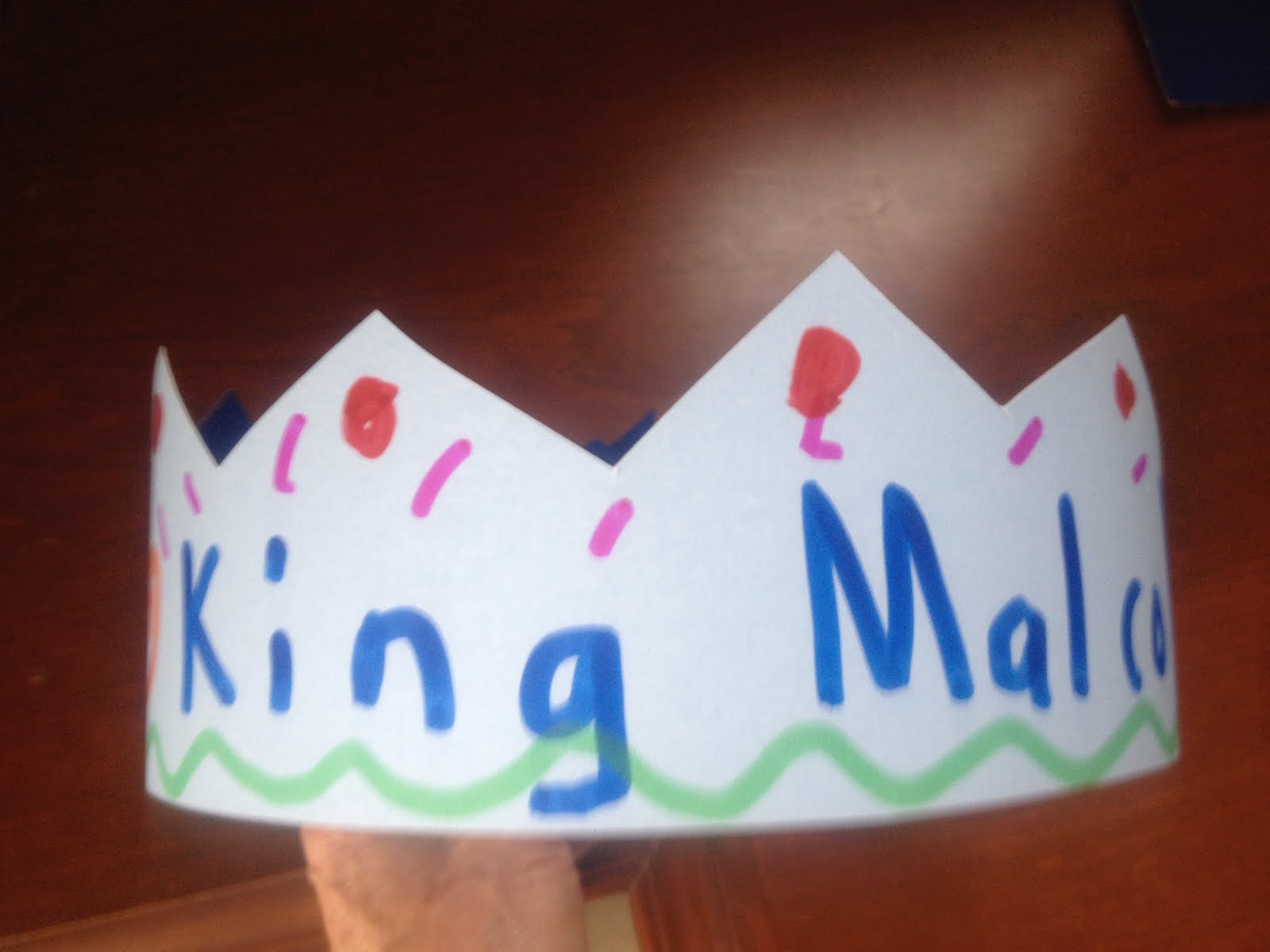
Sentence Strip Hat
Materials: sentence strips or heavy paper cut in 2 ½” x 24”, markers, crayons, stickers
Directions: Let children decorate the sentence strip and then fit to their head and staple or tape in place.

Children can write letters, numerals, or vocabulary words on the headband. Sure beats doing a worksheet and accomplishes the same thing!


Children can add ears or other details to create an animal from a story. Let them wear their hats to retell the story.

*Wouldn’t this be more fun than a written book report?

How about an “all about me” headband?

Children can make an autograph hat with friends’ names.

If you cut a zigzag line on one side every child can be king or queen for the day!


Hint! Two brad fasteners and a rubber band will make the hat easier to adjust to the head, but it’s a lot more trouble.

HATS OFF TO YOU TODAY!

Monday, August 31, 2026

TEDDY BEAR DAY

Let's have a Teddy Bear Party! Teddy Bear Day is officially September 9th, but it would be fun to do this any day in September.

Everybody loves teddy bears, so how did this love affair with teddy bears begin? President Theodore Roosevelt was a hunter. While hunting in Mississippi in 1902, he refused to shoot a small bear. The Washington Post published a story about it and illustrated the event with this cartoon.

  
Brooklyn candy shop owner, Morris Michtom, saw the cartoon and asked his wife to make two stuffed toy bears to go in his shop window. After asking permission from President Roosevelt, he called them “Teddy’s bears.” Eventually Michtom started the Ideal Novelty and Toy Company.

About the same time a German named Margaret Steiff was making her living by sewing stuffed animals. An American saw a stuffed bear she had made and ordered many of them. These bears also came to be known as Teddy Bears…and that’s how the whole thing started.

"Teddy Bear Party"
Ask children to bring their favorite teddy bear (or other stuffed animal) and introduce him/her to their classmates. (Encourage them to name their bear and explain why they love their bear.)


*Let children draw pictures and write stories about their bears.

*Use a Venn diagram to compare and contrast real bears and stuffed bears.


*Read some books about teddy bears. Let children vote on their favorite using a bar graph.

*Play “build a bear” which is similar to hang man. Think of a word and then make blanks for the letters in the word. As children call out letters, write them on the lines. If they call out a letter not in the word begin drawing a bear (body, head, ears, etc.).

*Make a teddy bear sandwich. You’ll need a cookie cutter shaped like a teddy bear. Cut out the bread and then decorate with cream cheese, peanut butter, or your favorite topping. Use raisins, chocolate chips, etc. to decorate.

*Let children make teddy bears from play dough.

*Peanut butter play dough makes cute bears you can eat. (Mix 2 TB smooth peanut butter, 1 tsp. honey, and 2 TB instant dry milk in a bowl. Stir until smooth.)

Sunday, August 30, 2026

TALK LIKE A PIRATE DAY

Aarr! Yo ho, matey! Are you working on lesson plans for September this weekend? Here are some ideas for Talk Like a Pirate Day on September 19th. It's got to be one of the "silliest" and most fun days ever!


Why?
According to the founders of Talk Like a Pirate Day, “Silliness is the holiday’s best selling point. And it’s fun!” There are many troubles and a great deal of seriousness in the adult world, but the classroom needs a little fun as well. Although a week from Thursday is the official day, I wanted to share a few ideas with you early so you could include them in your lesson plans. (You’ll even notice that I integrated some Common Core Standards!)

Pirate Read 
Reread poems and big books by talking out of the side of your mouth like a pirate.

Pirate Song – Tune: “Yankee Doodle”
I’m a pirate. That I be!
I sail my ship upon the sea.
I stay up late – til half past three.
And have a peg below my knee.
Yo ho ho ho
Let’s sail away
Aarrr! Matey! Is what I say.
A treasure I will hide today
And walk the plank another day.

Note! I adapted this song from one posted on talklikeapirateday.com

Creative Writing – What would you do if you were a pirate? Where would sail on a pirate ship? What would you like to find in a treasure chest?

Pirate Cheer – Put one hand over your eye to make a patch. Talk out of the side of your mouth as you say, “Aarr! Way to go, matey!”

Parrot Cheer – Put your hands in your armpits to make wings and then flap them as you squawk, “You did a good job! You did a good job!”

Pirate Maps – Cut the bottom off lunch bags and then cut down one side and you’ll have a big rectangle. Children can draw a treasure map with markers or crayons. Squash up the paper and roll it around in your hands to give it a vintage look.

*Older children could write stories about their treasure hunt on the back of the map. Younger children could dictate a story.

*Add a compass map and introduce North, South, East, and West.

*Have children make maps of the playground.

Mustache – Cut mustaches out of construction paper and tape them under your nose. (This would just be optional, but what little kid wouldn’t want a mustache?)


Eye Patch – Cut an oblong shape out of construction paper, fold it in half, and glue it over a 30 piece of string.

Hook – Cut hooks out of cardboard and let children cover them with aluminum foil. Insert the end of the hook in a cup you can insert over your hand.


Hunting for Coins – Write letters of the alphabet on poker chips with a permanent marker. (You can buy poker chips at most dollar stores.) Hide these on the playground or in the classroom. When children find the coins they can name the letter or think of a word that starts with that sound.
(You could also write numerals, math facts, or words on the poker chips.)


Vocabulary – Introduce pirate vocabulary that you can actually use in the classroom on September 19th.
Ahoy = hello
Avast = stop and pay attention
Matey = friend
Disembark = leave
Embark = enter, get started
Foul = something turned bad
Grog = drink
Weigh anchor = prepare to leave
Aye = yes
Nay = no

Parts of a Ship
– Relate these to places in the classroom with labels.
Starboard = right
Port = left
Stern = back
Bow = front

Pirate Flags – Let children design their own pirate flags. These can be done with crayons on paper, or, better yet, cut an old sheet into rectangles children can draw on with markers.

Sharing the Booty
- Cut pirate chests out of construction paper and write numerals on them. Let children use the poker chips to make appropriate sets or do addition and subtraction problems.

Walk the Plank – Children can practice balancing by walking forwards and backwards on the plank. (To make a plank put a piece of masking tape on the floor or draw a plank outside on the sidewalk with chalk.)

Pirate Snack
– How about some fish crackers in an ice cream cone? After they eat the crackers they can eat the cone.
*You could also serve oyster crackers, Pirate Booty, or grog (juice).


Friday, August 28, 2026

WHO IS THE FRIDAY FAIRY?

It used to be more fun to be a teacher. Now I say, “We’d go to jail now for things we used to do in the classroom.” I don’t mean that literally because we never did anything mean to children, but many of the restrictions were just not an issue in the “old days.” We could take our class out for recess (Yep! Run around and play time.) whenever we wanted and we had a lot more flexibility and creativity in terms of the curriculum.


The “Friday Fairy” used to come to my room every week and nobody complained. The children LOVED the Friday Fairy because she left a little penny candy in their desk while they were at lunch. (I invited a 5th or 6th grade student to sneak in my room and distribute the goodies while we were out of the room.)

See what I mean? You’d probably get in a lot of trouble for doing that now. However, there are other things you can do to make Friday a special day. And, after the children have worked hard all week it’s nice to end on a happy note. Here are some other ideas for Fabulous Friday:

15-30 minutes free time at the end of the day.

Jamboree – Get together with your grade level and sing.

Guest Reader – Invite a parent, politician, or school helper to read.

Game Time – Children bring board games or card games from home. (NO video games)

Recess – Now, wouldn’t that be fun? 30 minutes of unstructured play outside. (One teacher said she did this and her kids asked her, “What should I do?” Sad!)

Dancing with the Stars – Play music and let the children dance.

Take off your shoes – I know this sounds stupid, but my kids thought this was the great fun.

Kinder Café – Invite a different parent each week to come in and cook.

Do Your Own Thing – Children get to read, draw, talk…

MYSTERY READER (Gina from Michigan)
Parents sign up using a google.doc so the kids do not have any idea who is coming in. We wait very quietly with the lights out and when the door is open someone is very surprised. The parents can bring a "souvenir" to help the child retell the story at home but this is not expected. 

MAKE UP YOUR MIND TO END EVERY FRIDAY WITH "DESSERT" (AKA SOMETHING FUN!)


Thursday, July 9, 2026

CIRCLE TIME UNPLUGGED

HANDOUT FROM THE KICK START SUMMIT!


It's time to SHUT YOUR DOOR and start remembering why you became a teacher! Love them, play with them, and have fun with them! Oh, yeah, and teach them, too! Carolyn Kisloski and I created a packet called BACK TO SCHOOL HAPPIES a few years ago that we'd like to share with you. We can't solve all the world's problems, but we can give you something to make you smile and be excited to start your best year ever!


There are over 100 pages of hands-on learning activities with cheers, handshakes, attention grabbers, transitions, Prezis, management tips, brain breaks, finger plays, math, literacy, science, and seasonal lesson plans. There 15+ song downloads with books and visuals, as well as a video where Dr. Jean demonstrates the activities.


https://www.youtube.com/watch?v=VBZE86bnZGQ


Sunday, July 5, 2026

GIVE ME A CHEER!

GIVE ME A CHEER!

You’ve never downloaded my cheer cards? Well, today is the day!

These cheer cards can be used to focus children’s attention and put a smile on their faces. Every child in your classroom can feel good with these cheers.


What? cheer cards, Cheerios box or Cheer detergent box, heavy paper, scissors

Why? attention grabbers, positive self-esteem, classroom family

When? Large group, small group, all day long

How? Copy the cheer cards below on heavy paper. Cut apart. Introduce one new cheer each day. Use the cheer throughout the day. At the end of the day take a Cheerios box or a Cheer detergent box and say, “We’ve learned a new cheer. Let’s save it in our “cheer box.”

Hint! You can also tape these cheers to a bulletin, classroom door, or the front of your desk.

*When you want to encourage a child, have her reach into the “cheer box” and lead the class in that cheer.

I have two different sets of cheer cards so you can choose the one that you like best.

http://www.drjean.org/html/monthly_act/act_2004/06_june/06_2004_pdf.html


https://www.teacherspayteachers.com/Product/Dr-Jeans-Cheer-Cards-1270706


Here are two videos where you can watch me demonstrate many of the cheers.


https://www.youtube.com/watch?v=iWPA-jYdWe8

Wednesday, July 1, 2026

BRAIN BREAK CARDS


https://www.youtube.com/watch?v=ZtLKKrJ4KSs

According to research, brain breaks actually increase INSTRUCTIONAL TIME by reinforcing skills and helping children stay alert and interested. Glue your favorite brain breaks to index cards and place them in a bag. Pull one out and you’ll be ready to release all day long.


https://drive.google.com/file/d/1QzLsIfxcCf8r9sGZ-VWeBP4TKwgKQhdv/view?usp=sharing


Shake It Up
Hold up your right hand and shake five times as you count. 1, 2, 3, 4, 5.
Hold up your left hand and shake five times as you count. 1, 2, 3, 4, 5.
Hold up your right foot and shake five times as you count. 1, 2, 3, 4, 5.
Hold up your left foot and shake five times as you count. 1, 2, 3, 4, 5.
Count to four with each arm and leg…then three…two…one.
End by saying, “Oh yeah!” as you extend your arms and make the letter “Y.”


Balancing Brains
Have children stand. How long can they balance on their right foot? How long can they balance on their left foot?
Can they balance on their toes?
Can they balance on their right foot and extend their left leg in the air?
Can they balance on their left foot and extend their right leg in the air.
Can they balance on one foot with their eyes closed?


https://www.youtube.com/watch?v=Thq9MTAUfSY

Jumping Brains

Ask children to stand and challenge them to jump in their space as long as they can. When they get tired they can sit back in their seats.


Hanky Panky

Tell the students when you throw the handkerchief (or tissue) up in the air they can start doing a silly dance and make funny noises. When the hanky hits the ground they must freeze. Do this several times to get rid of wiggles.


Chop Wood

Hands together as if holding an ax. Place hands on your right shoulder and then cross over your body to your left foot as you pretend to chop wood. Place hands on the left shoulder and chop to the right foot.

Monday, June 1, 2026

HOMEMADE PLAY EQUIPMENT

Your kids will have a blast making these games and then playing with them.

Goofy Golf
You will need several empty cardboard containers from fried chicken, popcorn, ice cream, etc. Turn the containers upside down and cut an arch out of the bottom similar to a mouse hole. Set the containers up on the grass and let the children practice hitting golf balls in the holes.


*You can also make a golf course with hula hoops.

*Use small brooms and tennis balls instead of golf clubs.


Broomstick Hockey
You will need children's brooms and a rubber ball for this game. Children hit the ball with the broom and try to get it in a box or designated area.

Bowling
Take several empty liter bottles from water or soft drinks and arrange them in a triangle. Children stand behind a line and roll a ball, trying to knock down the plastic bottles. Count how many they knock down. Let children can take turns rolling the ball and setting up the bottles for each other.
Hint! Fill the bottles with water if it’s a windy day.

Paddle Ball
To make paddles, place two paper plates together and staple ¾ of the way around. Insert the hand and use like a paddle. Roll up a scrap piece of paper to make a ball.


Balloon Tennis
Bend two coat hangers into diamond shapes. Stretch the legs of panty hose over the diamonds and knot at the end. Bend up the hook of the hangers and tape it to make handles. Blow up a balloon and you’re set of a tennis match!

Bouncy Ball Lane
Draw a path on the sidewalk with chalk. Children take balls and try to bounce them on the designated line.

Can Catch
You will need a tennis ball and empty Pringle’s can for this game. Children bounce the ball and try to catch it in the can. They can place this game by themselves or with a friend.


Hungry?If you're hungry from playing all those games, just put your favorite snack mix in an ice cream cone and nibble away. Eat the cone and there's no clean up!