photo 3am_dj_home_zps919fb85e.png photo 3am_dj_about_zps7cce4c75.png photo 3am_dj_website_zps73051235.png photo 3am_dj_ss_zps6759ec2a.png photo 3am_dj_bs_zps43e27832.png

Tuesday, November 21, 2023

IS ANYBODY TEACHING TODAY?

I wish I could come to your school and sing with your kiddles today, but I do have some old YouTube videos that might entertain them.


http://bit.ly/drjeanFarmer


Monday, November 20, 2023

NAME ON YOUR PAPER

Do you get tired of reminding your students to put their name and date on their work.  Here's a tune just for you!

Name on Your Paper (Tune: "Shine and a hair cut - two bits")
Name on your paper ~ first thing!
Where does it go?
At the top.
Where does it go?
At the top.
Name on your paper~ first thing!

*Add a verse that says, "Date on your paper - second thing!"

Secret Code
Each day give your students a "secret code" to put on their work. Write it on the board and explain that it's the date. For example, the secret code for today would be 8-7-18.

The Teacher Needs to Know Who Did the Work and So
Here's another song to the tune of "If You're Happy and You Know It" to remind children to write their name.

Put your name on your paper first thing.
Your teacher needs to know who did the work and so
Put your name on your paper first thing.


Name Notes
Here's a great idea for class note cards. Give each child a 4" square and ask them to draw their picture and write their name. Reduce the size and glue to half a sheet of paper or around a full sheet as shown. Make many, many copies and use for notes to parents or place in the writing center for the children to use.

Sunday, November 19, 2023

GOOD OLD DAYS

Teachers all over the USA are thankful that this is a short week! Forget "skills" and give your children some special memories. Here is a song memory from when I was little girl many, many years ago. It's still a great song and a meaningful way to compare/contrast and talk an about the "olden days."

Over the River
(Traditional Tune)
Over the river and through the woods (Pretend to hold reins of a sleigh
To grandmother’s house we go. and drive as you bounce up and down.)
The horse knows the way (Put hands behind back and nod
To carry the sleigh like a horse.)
Through the white and drifted snow.
Over the river and through the woods, (Pretend to drive sleigh.)
Oh, how the wind does blow. (Wrap arms around self and shiver.)
It stings your toes and bites your nose (Touch nose and point to toes.)
As over the ground we go.

Through the country and cities far (Pretend to drive a car.)
In sun or wind or rain.
We might go by train (Pull down on train whistle.)
We might take a plane. (Fly hand like a plane in the air.)
Or maybe a bus or car. (Hold out right hand, then left.)
Through low valleys and mountains high (Look down low and then up.)
Now, grandmother’s house I spy. (Hand over eyes.)
Hurrah, for the fun! (One fist in the air.)
Is the turkey done?
Hurrah for the pumpkin pie! (Cheer with other fist.)


Comparisons – Use a Venn diagram to compare what it would be like to visit grandmother a long time ago and how we visit now. How are things the same? How are they different?


Graphs – Make a graph of how they will travel to their Thanksgiving dinner. Car? Plane? Train? Bus? Boat? Stay at home!


Olden Days
Bring in a rotary phone, typewriter, record player, and camera. (A note to parents might help you find one of these.) Talk about how they were used when their grandparents were kids. What do we use now instead?
*Hint! I think it's important for children to know what these items are because most of the books copyrighted before 2000 have pictures or reference them.


Saturday, November 18, 2023

THANKFUL BOOKS

Are you working on lesson plans today? Here are some books to encourage the "authors" in your classroom this week. These are a good example of what I call a "rabbit trap." Children will want to write in them, read them, and then take them home and share them with their families.

Napkin Book
Purchase seasonal napkins at the dollar store. Cut paper (4-36 sheets) the size of the napkin and staple it inside. Children can draw pictures and write about what they are thankful for.


Paper Plate Book
You'll need paper plates, blank paper, and pipe cleaners (cut in half) to make this book. Cut 8" circles out of the blank paper. Put 4 sheets of the blank paper between the two paper plates, punch a hole at the top, and bind with a pipe cleaner. Children can draw favorite foods or write what they are thankful for in this book.
*Younger children could cut out foods they like from magazines or grocery store flyers.


Thanksgiving Journal
Children can make this book and then use it over the holidays to record what they do. For each book you will need 2 sheets of white paper, a sheet of construction paper, a plastic fork, and a rubber band. Place the white paper on top of the construction paper and fold in half. Punch two holes 3" from the top on bottom on the creased side as shown. Insert the rubber band in one whole and loop the end of the fork through it. Insert the other end of the rubber band through the other hole and secure the fork.
Hint! Large plastic forks and skinny rubber bands work best.


We Give Thanks
(Tune: “Michael Row Your Boat Ashore”)
We give thanks for food we eat.
Hallelujah.
We give thanks for food we eat
Hallelujah.
We give thanks for families…
We give thanks for friends so dear…
We give thanks for all the earth…

*Let children suggest other things they are thankful for and insert the words in the song.

Here is a link to run off the above book.
drjean.org/html/monthly_act/act_2007/11_Nov/1booksNov/weGiveThanks.pdf

Friday, November 17, 2023

SHOW WHAT YOU KNOW

Elementary age children are in the “age of industriousness.” Erik Erikson is a psychologist that I studied in college who made a lot of sense to me. He identified a series of eight stages that individuals go through from infancy through late adulthood.

Erikson viewed the elementary school years as critical for the development of self-confidence. Ideally, elementary school provides many opportunities to achieve the recognition of teachers, parents and peers by producing things—drawing pictures, solving addition problems, writing sentences, and so on. If children are encouraged to make and do things and are then praised for their accomplishments, they begin to demonstrate industry by being diligent, persevering at tasks until completed, and putting work before pleasure. (Wikipedia.org)


It’s interesting to me (after being at this rodeo for many years) that I see similar concepts in the “executive function.” Children need the opportunity to start and complete a task and they need to develop delayed gratification. Concrete challenges where they can express themselves and develop mastery will encourage this.

Add to the above STEM where children use T (technology – aka tools) and E (engineering – plan and execute a design).

All of the above help justify the need for art and creative activities in the elementary classroom. Let’s look beyond a computer assessment and paper and pencil test to let children SHOW WHAT YOU KNOW!

Puppets (stick, paper bag, paper plate, sock, coat hanger, envelope)
Provide children with the materials to make puppets of their favorite character from a story. They could also make a puppet of animals studied, famous historical figures, and so forth. The puppet will give them a fun way to share information with classmates. 


Sculpture (mold with clay or play dough)
Children can make something that they learned from reading a book, watching a video, etc.


Create a Board Game
Challenge children to make a game to review information from a unit of study. They could do this independently or with a partner.

Poster, Collage, or Mural
Divide children into small groups and let them create a visual about what they’ve learned.

Mini Museum
Children take a shoebox and make a small “museum” with a collection of objects (found or made) that represent what they’ve learned.


Class Chef
Foodies are growing in number with school age children. They’ll have fun preparing and serving foods from different regions, cultures, food groups, etc.

Thursday, November 16, 2023

BUTTON DAY IS COMING

November 16 is Button Day…for real! Here are some thoughts on how to integrate buttons into your lesson plans any day. And, don't forget to read Eric Lintwin's PETE THE CAT AND HIS FOUR GROOVY BUTTONS!
Hint! I bought my bag of buttons at Walmart, but you could ask parents to send in extra buttons they don’t want for a learning activity. (That might be a good homework assignment.)

Math
*Have children count the number of buttons they have on. Who has the most? Who has zero? Tally how many in the entire class.

*Have children form groups with friends who have the same number of buttons.

*Use the buttons children bring in for math activities. Let them sort the buttons. What was their sorting rule? Can they sort them another way?


*Write numerals on cups and have children make appropriate sets in the cups using the buttons.


*Make patterns with buttons and use buttons for addition and subtraction.


Crafts
*Let children choose one button and glue it in the middle of a sheet of construction paper. Can they create a picture incorporating the button?

*Give children pipe cleaners or dental floss and let the string buttons to make necklaces and bracelets. (You’ll probably have to limit the number of buttons each child can use.)


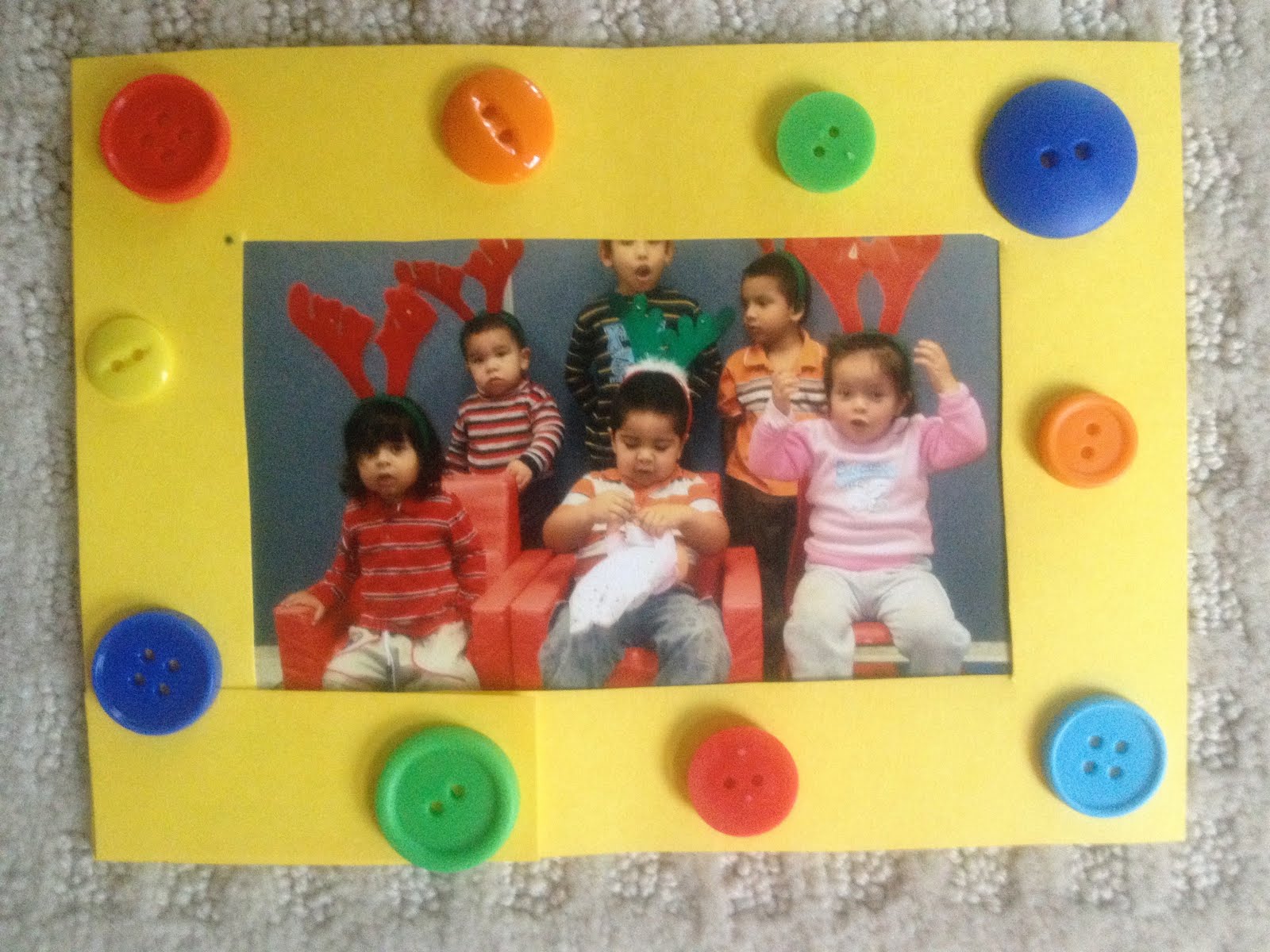
*Make cardboard picture frames and let children glue on buttons. Insert their photo for a perfect gift for mom or dad.


Game
*Play “Button, Button, Who’s Got the Button?” This is really a silly game, but my kids loved it. Choose one child to be “it” and hide a button. Choose 3 or 4 other children to leave the classroom and stand in the hall. The rest of the students cup their hands together as if they are holding something. “It” walks around the room and places the button in one friend’s cupped hands. The children in the hall are then called back to the classroom and everyone chants, “Button, button, who’s got the button?” The students from the hall walk around opening hands until someone finds the button. They become the new “it” and the game continues.

*Let children make up their own game using buttons.

*Demonstrate how to sew on a button. Now, that’s a novel idea! I bet some of your kids have never seen someone use a needle and thread.

Wednesday, November 15, 2023

RHYME ON

Being able to identify words that rhyme is key to developing phonological awareness.
However, teaching children to identify words that rhyme doesn’t happen in one day. The curriculum guide may say, “The children will learn to rhyme today,” but you and I know it takes many, many, many activities where children listen, speak, sing, and chant to develop that skill. Traditional nursery rhymes, songs, and books are the most natural way to nurture rhymes, but here are a few more activities where children can rhyme in a “playful” way.

Handy Rhymes
Have children extend their arms as they say pairs of words that rhyme and sing to the tune of “Skip to My Lou.”
sun (extend right hand)
fun (extend left hand)
Those words rhyme.
sun (extend right hand)
fun (extend left hand)
Those words rhyme.
sun (extend right hand)
fun (extend left hand)
Those words rhyme.
They both end with “un.” (Roll arms around as you say this.)

*As they progress, the teacher says a word as children extend their right hand. Children say their own rhyming word as they extend their left hand.

Rhyme Detectives
Tell the children that they will get to be detectives and listen for words that rhyme. You’ll say two words, and if they rhyme they put their pinkies up. Pinkies down if the words don’t rhyme.
For example: Cat - hat (pinkies up), run - dog (pinkies down).


Rhythm Rhyme
Start a beat by slapping legs two times, clapping hands two times, and snapping fingers two times. On the first snapping beat the teacher says a word. On the second snapping beat the children say a word that rhymes.

Slap, slap, clap, clap, snap, snap.
Slap, slap, clap, clap, mitten. (Teacher says.)
Slap, slap, clap, clap, kitten. (Children say a word that rhymes.)


Rhyme Ball
You will need a ball, beanbag, or other object to toss for this game. Children sit or stand in a circle. The teacher says a word and then tosses the ball to a child. As the child catches the ball, she must say a word that rhymes.


Rhyme Bag Homework
Give each child a paper lunch bag and ask them to bring in two objects from home that rhyme. As children share their items the following day encourage them to think of other words that rhyme.

Rhyming Puzzles
Glue rhyming pictures on opposite sides of a 3” x 5” index cards. Cut a puzzle shape between pictures. Mix up and have children put rhymes together.


*Make games with socks, mittens, shoes, etc. where children use clothes pins to put the rhyming pictures together.


Hint! Mr. Google has some great free printables with rhyming pictures.


Sentence Puzzles
Write rhymes on sentence strips. Cut between the words and let children put them in the correct order in a pocket chart.


Riddle Rhyme Game
Let children make up their own rhymes in this game. First, they choose an object in the room. Next, they say a word that it rhymes with, along with another clue.
For example: “This rhymes with hair and it is something you sit on.” “This
rhymes with look and it is something you read.”